

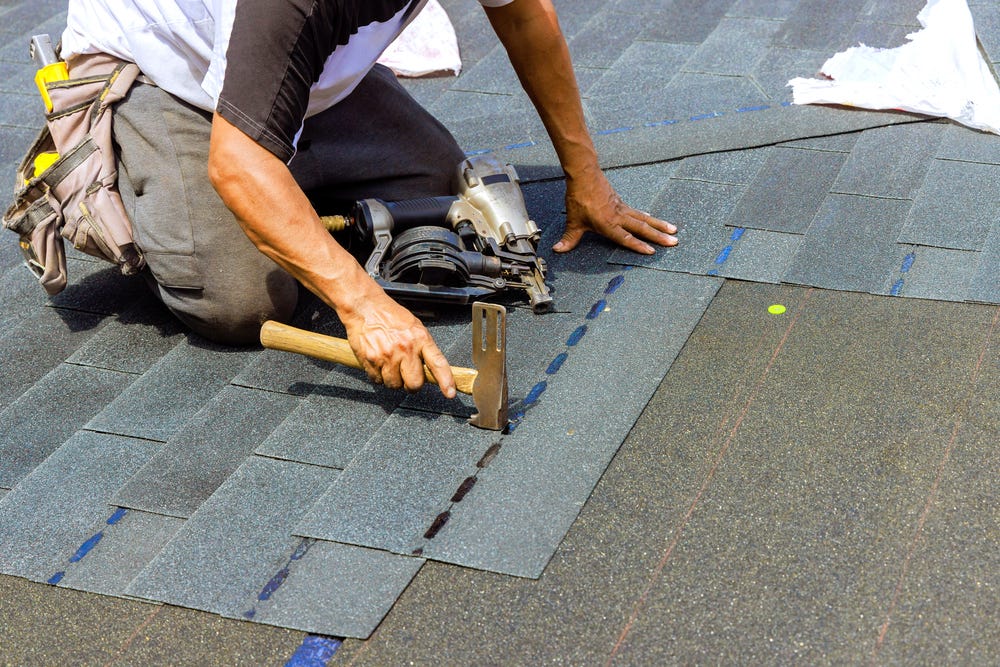
My father kept a scar across his thumbnail from the year before the nail gun arrived on the crew. He could line up a shingle nail in a blizzard, but the hammer still managed to find his hand at times. When the compressor showed up, the old guys muttered that real roofing needed feel, not air pressure. They came around once they saw the job close before sunset and nobody bled.
I think about that scar every time someone asks if AI will replace writers. The question misses the point. The tool doesn’t retire the craft, it retires the damage.
When I was at the Defense Information School, we taught note-taking like it was a martial art. Students balanced reporter’s notebooks on their knees, developing shorthand that looked like code. Fast hands were a competitive edge. Then the recorder appeared. Then cheap transcription. Then software that pulls quotes before the interviewee finishes the sentence.
Each step removed a splinter of labor. None removed the reporter.
Now AI can take a full interview recording, strip the ums and the you-knows, and surface the quotes most relevant to your story before you’ve poured your second cup. I’ve watched it do this with podcast episodes I’m barely halfway through. Sometimes it misses something I care about, so I go back and pull it myself. That’s still my call. That’s still judgment.
And judgment is exactly what’s surviving.
The writers feeling the most pressure right now are mid-tier freelancers who competed on volume and speed. When I ran my marketing business, I paid a service to churn out blog posts. Two a week, five a month, written by a rotating pool of writers who could crank out 800 words on any topic. The content was serviceable. It was also shallow. AI produces the same thing in twelve seconds. That edge is gone.
But there’s another category of writer, and this is the one I want to talk about.
The government communicator. The public affairs officer. The embedded communications professional inside an institution where what you’re selling isn’t a product, it’s trust. Public relations moves cornflakes. Public affairs moves credibility. One “out of an abundance of caution” in a command message and a congressional aide starts asking questions. AI can draft the sentence. It can’t carry the institutional memory of every previous statement we had to walk back.
That distinction matters more than most people in this conversation acknowledge.
The real pressure isn’t replacement. It’s expectation creep.
My boss wants a story. I need to interview five people. I’m still waiting on callbacks. My deadline hasn’t moved. The expectation now is that AI compresses the labor so the calendar doesn’t have to. And in some ways, it does. If the machine drags the transcript and flags the key quotes, I get an hour back. The question is what I do with that hour.
The writers who are going to hold their ground are the ones who use the saved time to do the things AI can’t: sit with a source long enough that something real comes out, read the room when a program officer shifts their language mid-sentence, recognize that a data point is off because they know this program’s history, not because they Googled it.
That’s not mystical. That’s experience in a body, which is still the one thing you can’t prompt your way to.
Skip to 3:40 — worth it.
The nail gun didn’t make my father any less of a roofer. It meant he stopped smashing his hand and started finishing jobs faster. But he still knew which valley would trap ice in March, where the plywood had delaminated after the ‘93 storm, which crew members were cutting corners on the felt. The gun drove the nails. The knowledge decided where they went.
AI is the gun. You’re still the roofer.
The only question worth asking isn’t whether AI will take your job. It’s whether you’re building the kind of knowledge and relationships that no tool can replicate, or whether you’ve been selling speed all along.