

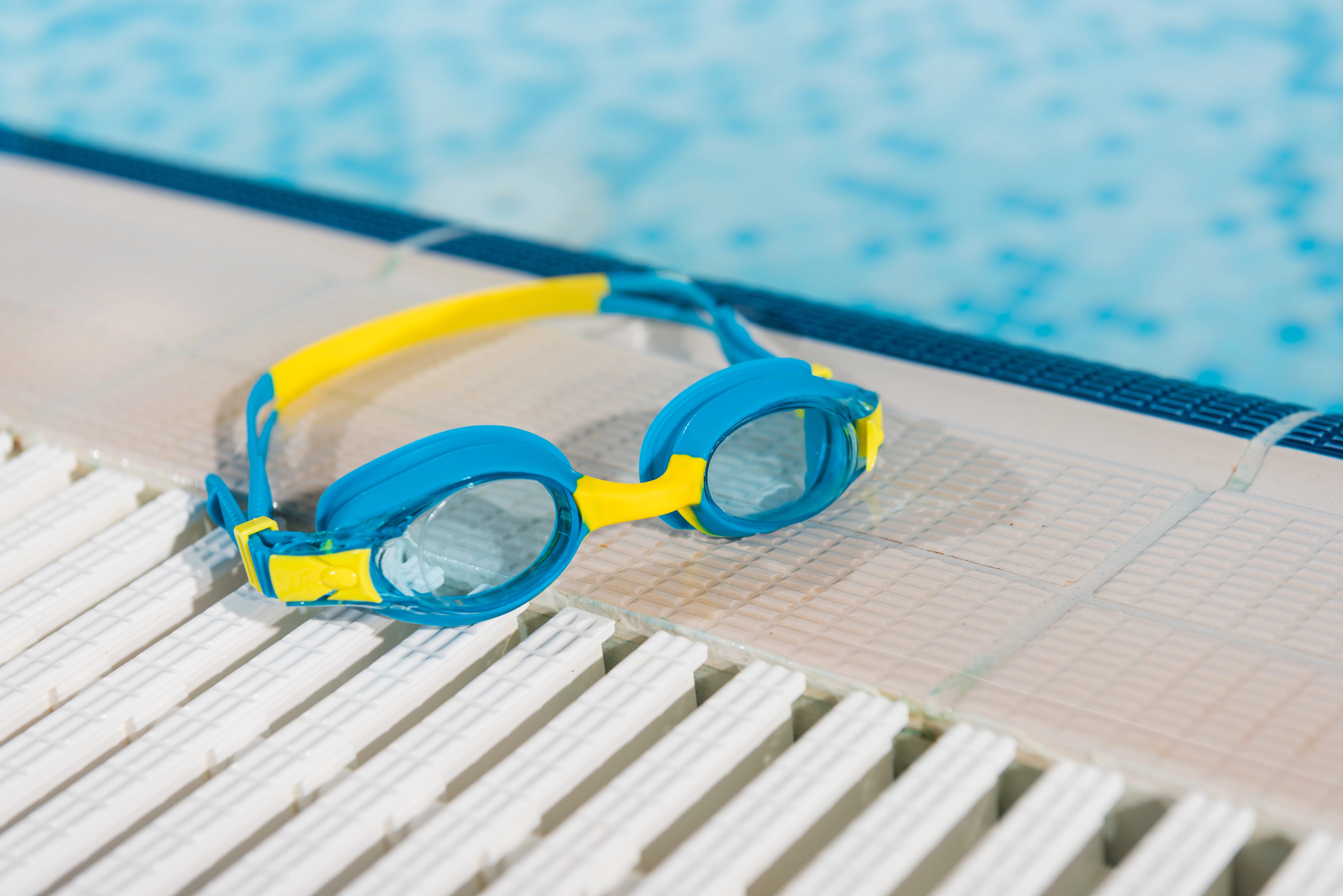
Savannah was crying when I picked her up from the pool. I asked what was wrong. Nothing, she said. Then she snapped at me about her swim goggles. “You forgot them!” I hadn’t forgotten them. I told her so. We were headed home.
By the time we pulled away, she had told me she felt trapped and unloved. Preposterous! I had called her mother and arranged for her to spend the weekend there. I drove the last few blocks in the hollow satisfaction you get when you’ve been right in a way that doesn’t actually help.
The next morning, I told the story to Ari. Ari is in my men’s group. He’s the man who, when you finish describing a situation you think you handled well, will tell you: yeah, you were being an asshole.
His version went like this. When something is happening with your kid, treat it like an emergency room. Triage. The kid screaming in the lobby might just need food. The kid yelling at you in the car might just need to get home. Get them what they need first. Have the conversation later. Right now, you’re not in a conversation. You’re in an event.
He also said, don’t have serious conversations while driving. His son is similar to Savannah. Pinned in a passenger seat, asked to dissect their feelings on the way to a destination they didn’t choose. Of course they feel trapped. They are.
I had not done any of that on Tuesday. I had argued about goggles. I had asked how do you feel while I drove. When she said she’d rather be with her mother, I had taken the words at face value and performed the gesture of giving her what she said she wanted. Okay, I’ll call your mom. It looked like respect. It was retreat dressed up as respect.
Cyrene, my younger one, broke the toilet seat one afternoon. She’d been climbing on it for a reason that made sense to her. I heard the crack. You okay? Yes. What happened? She told me. Okay. Later she came back down with her phone. They’re fifteen dollars on Amazon. I’ll replace it.
I was calm. I was kind. I was the father I want to be.
I was, also, not under attack.
That’s the difference. With Cyrene and the toilet seat, nothing in me felt threatened. There was no accusation. No tone. No goggles. The ask was simple: stay open, ask the questions, accept the answer. With Savannah and the goggles, my body decided fast that I was being treated unfairly. Once that decision was made, I wasn’t parenting her. I was defending myself. From a fourteen-year-old. Who was hungry.
The voice in my head when she snapped at me about the goggles wasn’t mine. I want to be precise about this. It was my father’s voice, and his father’s voice, and the voice of every man in the Apostolic Faith Church I grew up in. Who the fuck do you think you’re talking to? I would have been popped in the mouth for what Savannah said. I knew this at fourteen. Everyone in our house knew it.
That voice protected me from a lot of things. It also kept me at a distance from the people I was supposed to be close to. I have done years of work to turn the volume down. On Tuesday it came back up the second I felt disrespected by my own kid.
I notice this. I don’t fully control it yet.
What I’m reaching for, and failing at, and trying again, is being the rock. The seawall. Something a teenage girl can throw her hardest wave at without me coming apart and without me coming back at her. The seawall doesn’t argue with the wave. It doesn’t take the wave personally. It absorbs the impact, holds its shape, and is still there when the tide goes out.
The seawall does, eventually, have a conversation with the wave. You can’t talk to me like that. I think you owe me an apology. Let’s figure out a plan so you’re not running on empty when I pick you up next time. But the seawall has that conversation after dinner. After the storm. Not in the car, not at the pool, not in the driveway with both of us still hot.
I had that conversation with Savannah that weekend. I led with what I could have done better. I offered the apology that was mine to offer first. We talked about hers, too. And we worked out what we both need so the next Tuesday afternoon could go differently.
I don’t think she’s a bad kid. I don’t think I’m a bad father.
I think we’re both learning what it means to be safe with each other when one of us is hungry and tired and the other one is hearing his father’s voice in his head.